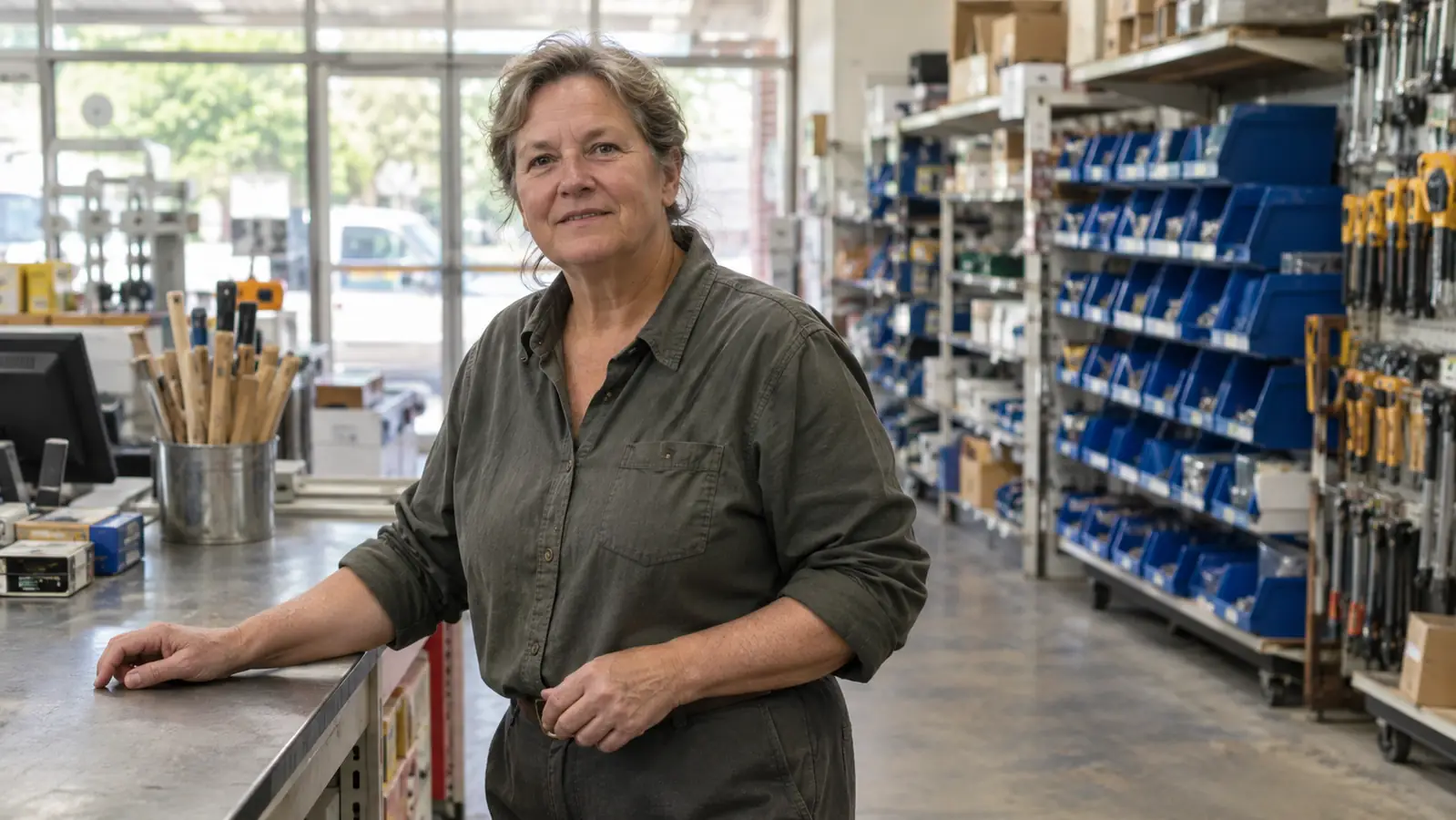
Most insole reviews read the same way. Five stars, comfortable from day one, life changed. That was not my experience, and ten months later I do not believe it is most people's. I bought a pair of PCSsole Plantar Fasciitis Insoles in the first week of January 2026, trimmed them to fit my work sneakers, and spent the better part of a week convinced I had wasted my money. My left heel has hurt since October 2025. The right one has never hurt at all. My family doctor, Dr. Okafor, named it in December 2025, told me to stretch my calves and get better support, and that was the whole of the instruction. Better support. Nobody explains what that means or how it is supposed to feel.
So this is the honest version. What the insoles are like to wear for eight hours on a concrete floor, what I had to get used to, what I got wrong, and who I think should spend their money somewhere else entirely. Feet differ. Mine is one left heel in Medford, Oregon, and yours is not.
The Quick Verdict
Firm, high arch support that took about three weeks to stop noticing, and that made the end of a shift feel easier. It is not soft and it is not instant, and it is the wrong insole for anyone who wants cushioning underfoot.
Amazon Check Today's Price →If your heel is worst on the first steps of the morning, start with support rather than cushioning
Full length orthotic insole with a high arch and a heel lift. Read the sizing and the cutting line on the listing before you trim anything.
Amazon Check Today's Price on Amazon →The First Week Is Not the Verdict
I put them in on a Tuesday morning in the first week of January, before an ordinary shift. The arch was the first thing I noticed, and not kindly. It felt like standing on a rolled up sock, if a rolled up sock were made of something firm. My whole foot was pushed up in the middle and I kept shifting my weight around looking for the spot where it would feel natural.
By Thursday I had decided they were a mistake. I want to be honest about that, because the reviews I read before buying were full of people who loved them straight out of the box, and I assumed the problem was me. The problem was not me. The insoles were asking my feet to do something they had never done. Before them I had the flat foam liners that came in the sneakers, plus one pair of drugstore gel insoles I bought in December 2025 and used for about three weeks. Flat liners let a foot sit however it wants to sit.
On the Friday of that first week I took them out for an afternoon and put the flat liners back in, which turned out to be the most useful thing I did all week. It felt like relief for about an hour. Then it felt exactly the way the concrete always felt, and I realised I had been calling that feeling normal for years. The strange arch was at least doing something under my foot. The flat liner was doing nothing, and I had spent three weeks in the drugstore gel pair pretending otherwise. I put the insoles back that evening and stopped arguing with them.
Somewhere in the third week the strangeness went away. Not the support, the strangeness. I stopped thinking about the arch on the drive in. I stopped noticing it at all until I took my shoes off at the end of the day.
What changed by week three was smaller and more specific than relief. The end of a shift felt easier. The last hour of a Tuesday used to be the hour I leaned on the counter and stood on one leg, and it stopped being that hour. I am not going to tell you they fixed my heel, because they did not, and because the calf stretcher I bought in February muddles the picture. What I can tell you is that eight hours started to feel different, and that happened after the point where I had nearly given up on them.
How I Have Used Them Since January
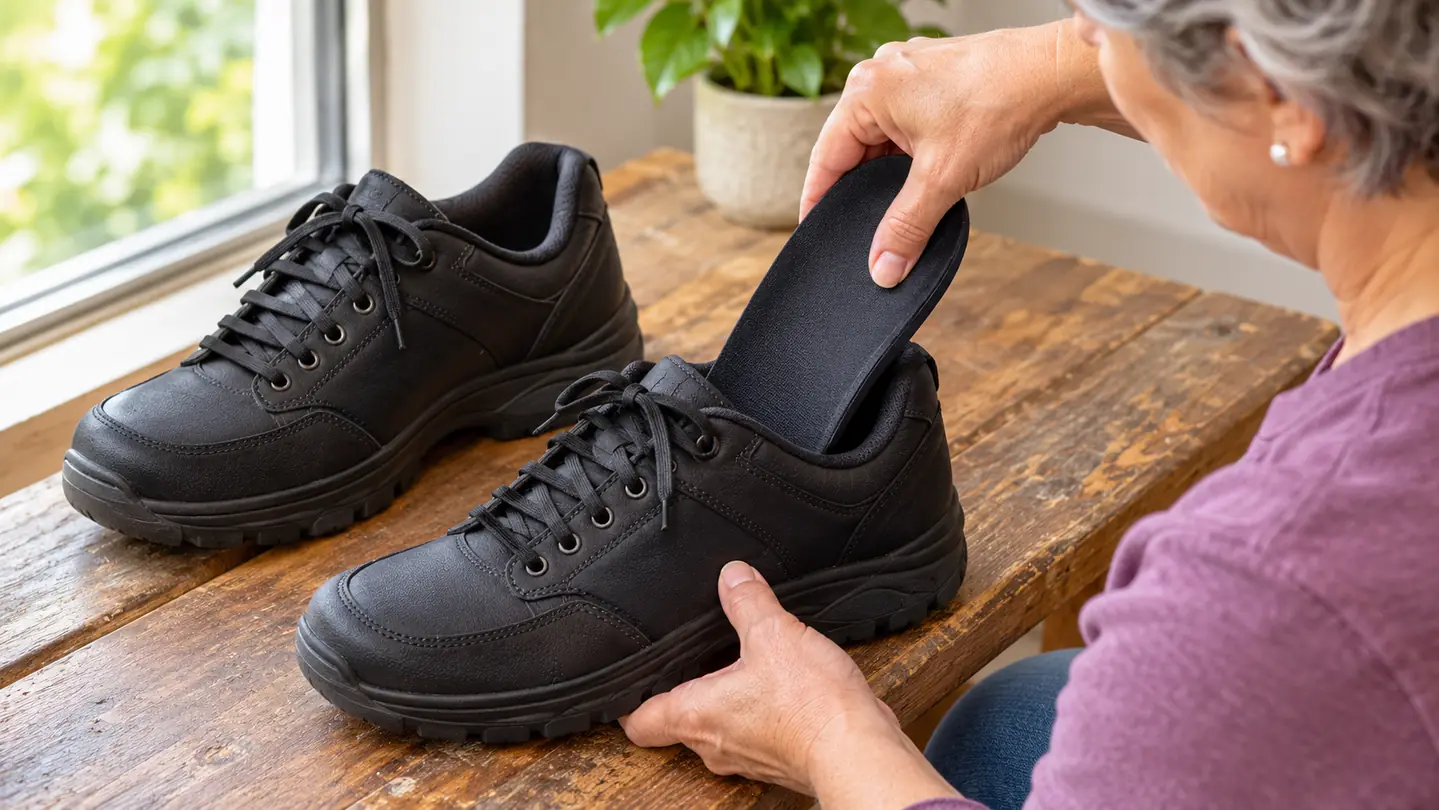
These live in one pair of shoes. My work sneakers, plain lace ups I have worn every shift since 2024 and have never replaced. The insoles have not been in anything else. They have not been in my walking shoes, because I bought them for the concrete, not the sidewalk, and I am not going to pretend I swap them around.
Trimming was the part I put off. The listing has a cutting line and I did not want to cut something I could not un cut. I trimmed a little, put the sneaker on, walked to the end of the hall, and trimmed a little more. That is the right order. Cut to the line first and you may end up with an insole that slides forward under the ball of your foot every time you walk, and there is no coming back from that.
Ten months in, they are still in the sneakers. The top surface has taken on the shape of my foot. Nothing has cracked, curled at the edges, or come apart at the heel. The listing gives the weight as 200 grams, which is light enough that I have never felt the difference in the shoe.
I rinse both of them in the utility sink at home and stand them on end against the wall overnight to dry. Once a month is not much effort and it costs nothing. The listing mentions anti odor and I honestly cannot tell you whether that part is working, because I have never given them a chance to get bad. What I can tell you is that ten months of eight hour shifts on a concrete floor has not flattened the arch, and the flat foam liners the sneakers came with had given up inside a season.
What I Liked
- Firm arch support that is still holding its shape after ten months of daily shifts
- Full length, so there is nothing to slide forward under the ball of the foot
- The cutting line made trimming to my sneakers straightforward
- The heel lift is noticeable when I put the sneakers on at the door in the morning
- Light enough in the shoe that I forget about the weight
- Still intact, no cracking and no fraying where my heel sits
Where It Falls Short
- The first week is genuinely awkward if you are coming off flat liners
- Firm rather than soft, which is not what everyone is shopping for
- They take up room. I loosened my laces a hole and left them there
- One pair means one pair. Moving them between shoes is not practical
- If your foot is flat, a high arch insole is the wrong shape for you
The Fit Question Is the Whole Ballgame
The single most useful thing I can tell you is that these are full length and firm, and that combination takes up space inside a shoe. My sneakers fit differently with them in. The heel sits a little higher and the laces needed slack. If your shoes are already snug across the top of the foot, this is the part that will annoy you.
If your sneakers came with a removable liner, take it out before you put these in. Mine did, and the difference in how the shoe closed over the top of my foot was noticeable. I also went up a lace hole and have left it there ever since, which is a permanent change to how a shoe fits and one I made on the second day without much thought. Those are small things. They are also the sort of small things that decide whether a person is still wearing an insole in March or has left it in a drawer.
The listing calls them thin. I would not argue with it, but thin and soft are two different words. Under my arch they are firm. That firmness is the whole point. A soft insole flattens under a person who stands for a living, and mine had already done exactly that. The drugstore gel pair I bought in December 2025 felt wonderful for about a fortnight and then felt like nothing at all, and I was back to the flat liners the sneakers came with.
The high arch is the other half of the fit question. If your foot is flat, a high arch insole is going to feel like a lump, and getting used to it will not turn it into the right shape for you. Mine is not flat, and the arch still felt like a lump for a week. That is worth knowing before you buy rather than after, because the return is not the hassle. The hassle is the week you spend deciding.
The last hour of a shift used to be the hour I leaned on the counter and stood on one leg. It stopped being that hour.
What the Listing Says and What It Leaves Out
The PCSsole listing describes an orthotic insole with arch support, a high arch, a heel lift and a heel protector, anti slip, anti odor, and thin. The material is a blend of recycled post consumer polyester and recycled ethylene vinyl acetate. The weight is 200 grams. That is accurate and it is also useless on its own, because none of it tells you what any of it feels like.
So let me translate. Anti slip means the underside has enough grab that the insole does not creep forward inside the shoe. That matters more than it sounds, because a sliding insole bunches under the ball of your foot and you feel every single step of it. Heel lift means there is a little more material under the heel than under the middle of the foot. I notice it when I put the sneakers on at the door in the morning, a small step up rather than a flat board under the heel.
Anti odor I cannot honestly speak to, because I rinse them monthly and I would not know either way. What I can tell you is that nothing has frayed and the top fabric has not pilled where my heel sits, which is the part that usually goes first on anything worn this hard.
The Day They Did Not Help
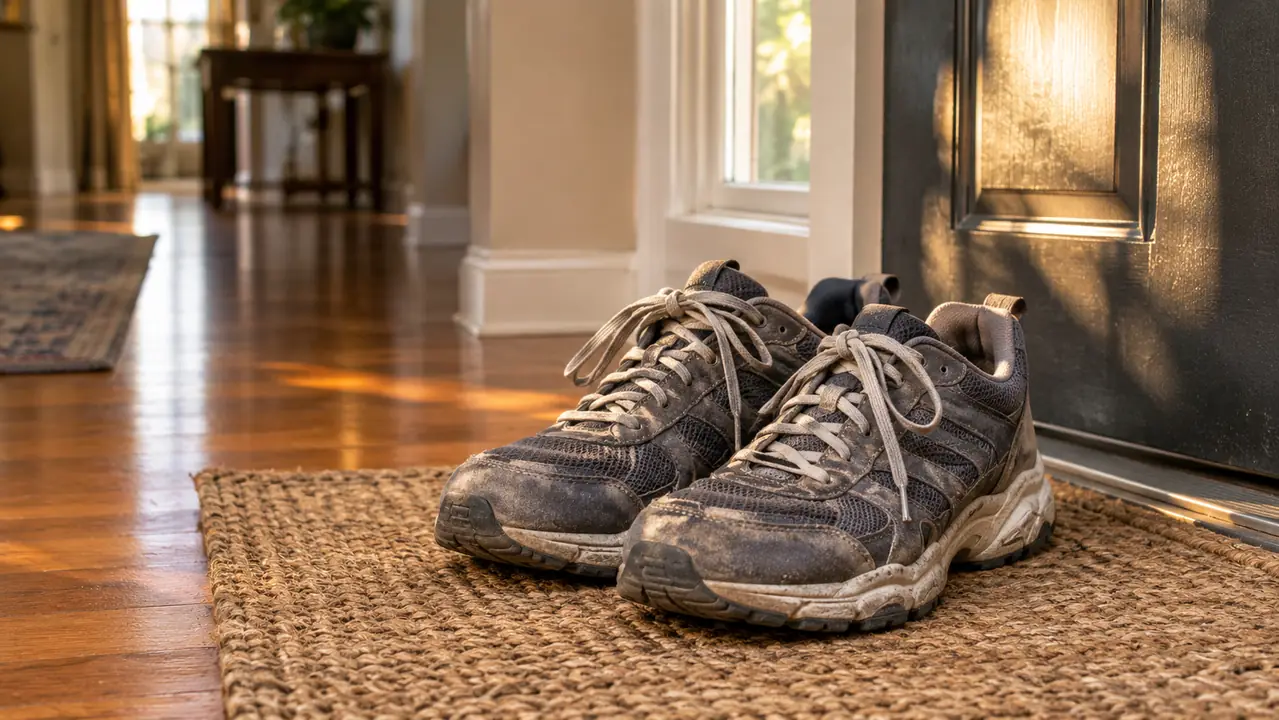
In late June 2026 the store held its annual inventory on a Saturday. Eleven hours, most of it standing and counting on the concrete. My heel flared that evening and stayed sore for about three days. I was not surprised and I was not angry about it, but I am including it because it is the honest version and a review that leaves out the bad day is not worth reading.
I counted shelving for most of it and stood still for long stretches, which is worse for my heel than walking. By the last two hours I was aware of it with every step, and I finished the count sitting on an upturned crate with a clipboard on my knee. That is not a complaint about the insoles. Nothing in the bottom of a shoe is going to absorb a day like that. But if you are breaking in a new pair, do not pick an inventory Saturday to decide how you feel about them.
An insole is not a shield. Eleven hours is eleven hours. What I did was what I would have done anyway. I wore them, I stretched my calves that evening, and I went back to work on the Tuesday, which was a normal shift and felt like one.
Nothing about that Saturday made me want to throw them out. It made me stop thinking of them as something that was going to hold up under anything I chose to do to my feet, which is a more realistic way to think about a piece of foam and fabric in the bottom of a shoe.
What I Would Do Differently
I would have bought them the week I stopped wearing the drugstore gel pair instead of three weeks later. The gel insoles cost less and felt better for about a fortnight and then flattened into nothing. I spent three weeks feeling clever about the cheaper option and then bought the PCSsole anyway, which means I paid for both.
I would also have measured the shoe before cutting rather than cutting and hoping. Not because the line is wrong, but because I trimmed in three passes and the first pass was pure nerves. And I would have expected the first week to feel strange rather than comfortable. That single expectation would have saved me several days of wondering whether I had made a mistake.
The last thing is not about the insole at all. In February I bought a rubber calf stretcher and started three holds of thirty seconds per leg every morning on the bathroom tile before shoes. Between the two of them, my first steps now are a mild ache most mornings rather than the stab they were. I cannot tell you which one did more, and anybody who tells you they can separate the two is guessing.
Who This Is For
If your heel is worst on the first steps in the morning and again after you have been sitting, if you spend a shift on a hard floor, and if your foot has an arch rather than being flat, this is the shape of insole I would start with. It suits a person who wants support more than cushioning and who is willing to give it a week of feeling odd before deciding. It suits a work shoe with a little room in it, because these are full length and they do use space. And it suits someone who has already tried the cheap gel pair and watched it flatten.
Who Should Skip It
Skip it if you want a soft insole. Skip it if your foot is flat and high arches have felt like a lump under you before, because this one will feel like that too and no amount of patience will change the shape of your foot. Skip it if your shoes are already snug across the top, unless you are willing to take the original liner out and loosen the laces. Skip it if you were hoping to wear one pair around the house, because mine never leave the sneakers and the first steps out of bed are a different job entirely.
And skip it, for now, if the pain came on suddenly, or if there is numbness or swelling, or if it has not settled after a few weeks of sensible support and stretching. An insole is not the answer to that, and a doctor or a podiatrist is. Dr. Okafor sent me away with two sentences and I have followed them for a year, but I am one left heel in Oregon and I am not qualified to speak for yours.
Ten months in, mine are still in the work sneakers and I would buy them again. That is a smaller claim than it sounds. They did not fix my heel. They made eight hours on concrete feel less like something I was enduring, and after the third week that was enough for me.
One pair, one pair of shoes, ten months of shifts. That is the deal
Full length, high arch, heel lift. Check the current sizing and the cutting line on the listing, then trim in passes rather than all at once.
Amazon See the Current Price on Amazon →